Showing posts with label environment. Show all posts

Friday, August 7, 2009

Don't throw it away!


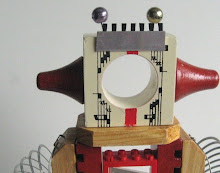
Lupita the Robot (upcycled home decor and collectibles)

While browsing, I found this site TerraCycle. It offers a great way to REDUCE the waste that goes to the landfill and at the same time helps you raise some money. Also We must find great uses for new objects, upcycling is a new way to reduce waste. Now Terra Cycle can help you raise funds for your favorite charity or school by helping them collect waste. It’s easy and the shipping is free. Here are some examples for the items that you will be pay for:


o Soda Bottles, Yogurt Containers, drink pouches, energy bar wrappers and more.


For more details check out their website: terracycle.net

Friday, November 7, 2008

Change the light bulb

1. Have a pad and attached pen on the refrigerator to note when something is done or running low and take the pad to the supermarket. This cuts down on food and time waste!


2. CHANGE LIGHT BULBS to low energy ones. It saves you time and money. (They last longer and don't burn out as quickly).

Tuesday, October 21, 2008

Green Tips :D

o Walk, bike or car pool.

o Unplug electronic when not in use.

o Switch to compact fluorescent bulb.

o Recycle, recycle, recycle.

o Use recycled paper products.

o Switch to a programmable thermostat.

o Wash and rinse in cold water.

o Buy locally-grown food and produce.

o Drink from reusable glassware.

o Maintain properly inflated tires.

o Set water heater to 130 F.

o Buy EnergyStar appliances and electronics.

Wednesday, July 9, 2008

50 things to Do to Go Green

Here is a series of 50 simple things, we are going to post them in a list of 10, that everyone can do in order to fight against and reduce the Global Warming phenomenon: some of them are at no cost, some other require a little investment but can help you save a lot of money, in the middle-long term! Previous Tips from 11 to 20

21. Choose products that come with little packaging and buy refills when you can
You will also cut down on waste production and energy use!

22. Reuse your shopping bag
When shopping, it saves energy and waste to use a reusable bag instead of accepting a disposable one in each shop. Waste not only discharges CO2 and methane into the atmosphere, it can also pollute the air, groundwater and soil.

23. Reduce waste
Most products we buy cause greenhouse gas emissions in one or another way, e.g. during production and distribution. By taking your lunch in a reusable lunch box instead of a disposable one, you save the energy needed to produce new lunch boxes.

24. Plant a tree
A single tree will absorb one ton of carbon dioxide over its lifetime. Shade provided by trees can also reduce your air conditioning bill by 10 to 15%. The Arbor Day Foundation has information on planting and provides trees you can plant with membership.

25. Switch to green power
In many areas, you can switch to energy generated by clean, renewable sources such as wind and solar. The Green Power Network is a good place to start to figure out what’s available in your area.

26. Buy locally grown and produced foods
The average meal in the United States travels 1,200 miles from the farm to your plate. Buying locally will save fuel and keep money in your community.

27. Buy fresh foods instead of frozen
Frozen food uses 10 times more energy to produce.

28. Seek out and support local farmers markets
They reduce the amount of energy required to grow and transport the food to you by one fifth. You can find a farmer’s market in your area at the USDA website.

29. Buy organic foods as much as possible
Organic soils capture and store carbon dioxide at much higher levels than soils from conventional farms. If we grew all of our corn and soybeans organically, we’d remove 580 billion pounds of carbon dioxide from the atmosphere!

30. Eat less meat
Methane is the second most significant greenhouse gas and cows are one of the greatest methane emitters. Their grassy diet and multiple stomachs cause them to produce methane, which they exhale with every breath.

Sunday, April 20, 2008

Milk Paint?

What You'll Need:
Milk Paint solids (powders)
Container(s) for your milk paint - old ball jars work very well
Paint Brush(es)
Polish - a mix of pure bees wax and natural turpentine
Item to paint that has little or no finish
Tarp
Rag for polishing
Sand Paper

1. Be sure your piece of furniture is clean and does not have any residue from grease or wax, etc. These things will keep the paint from adhering.

2. Place piece on tarp in a well-ventilated area.

3. Sand all areas of item to prep for paint.

4. Wipe down piece to clear off the residue from sanding.

5. Mix ingredients for paint. Mix 1 part powder with 1 part water. *Note: Milk paint in powder form lasts indefinitely until mixed with water.

6. Apply paint with a brush. Apply as many coats as you feel is needed letting the piece dry in between each coat.

7. Let piece dry.

8. It's nice to layer your paints with two or more colors. Then, sand the top layer lightly around edges, at corners and on surfaces where a little natural wear might take place.

9. Now, apply the polish with a small amount on a piece of cloth. You can buy the wax pre-mixed or mix a block of bees wax with an equal amount of turpentine.

*Caution: STAY AWAY FROM ANY HEAT OR FLAME. IT IS VERY FLAMMABLE.

Make sure you're applying the sealant to the whole piece of furniture, in an even fashion.

10. Simply seal up and refrigerate your unused milk paint for your next project. Because of the milk solids, the paint is perishable but will last for a few weeks in a cold environment.